

1. The Biology: Why Your Brain “Shuts Down”
Concentrated learning is like a workout for your brain. Your brain is a “hungry” organ. It uses up glucose (sugar) and oxygen faster than any other part of your body.
The Glucose Crash
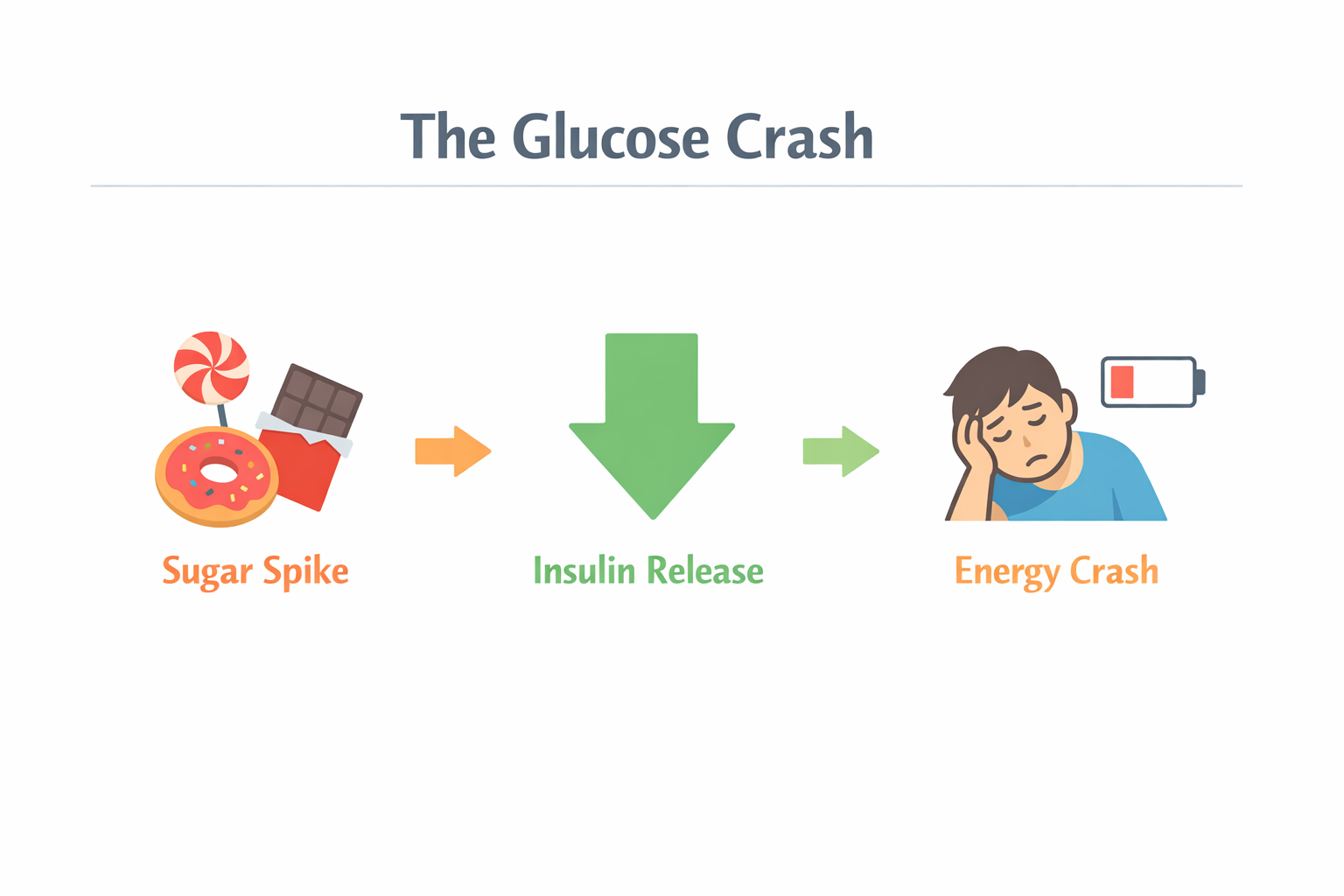
When you start a hard math problem, your brain works “overtime.” It burns through energy. Your body sees this energy dip and sends a signal: “Take a break!” This signal feels like a massive wave of drowsiness.
The Alpha Wave Trap
If you study in a cozy chair or on your bed, your brain produces Alpha Waves. These are “calm” waves. They are the gateway to sleep. You want Beta Waves (active waves) for studying.
The Ocular Signal
When you focus on small text, you blink less. This causes eye strain and muscle fatigue. Your eyes send a message to your brain: “We are tired.” Your brain thinks your whole body needs to sleep.
| Factor | What Happens | Result |
| Brain Metabolism | High sugar use. | “Energy Low” signal. |
| Alpha Waves | Brain enters “relax” mode. | You feel dreamy/drowsy. |
| Ocular Fatigue | Eyes get dry and tired. | Brain thinks it’s bedtime. |
2. Environmental Cues: The Comfort Trap
At KPS, we believe a student-centric education needs a stimulating ecosystem. Most students think being “comfortable” helps them focus. This is a lie. Comfort is the enemy of concentration.
Posture and Your Nervous System
Lying Down: Activates the parasympathetic nervous system (“Rest and Digest”).
Sitting Upright: Activates the sympathetic nervous system (“Fight or Flight” / Alertness).
Research shows that sitting upright can actually bypass the effects of being tired. If you sit like a winner, you study like a winner.
The Melatonin Switch
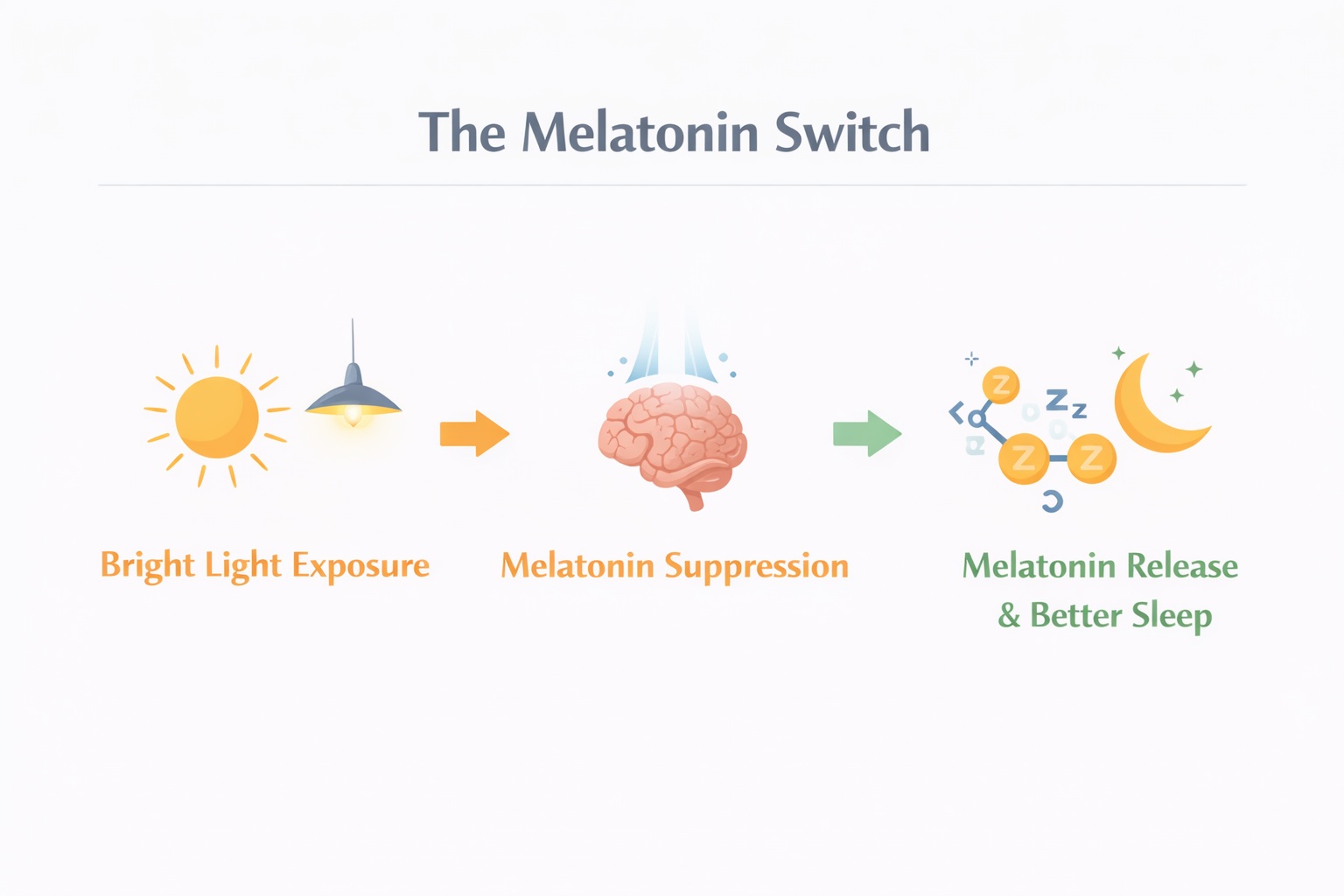
Your Pineal Gland releases melatonin (the sleep hormone) when it is dark. If you study in dim, warm light, you are telling your brain the sun is down.
What can you do? * Use Cool-Toned LED lights (blue/white). They mimic daylight.
Save warm, orange lights for your bedroom at night.
[Alt-text: A diagram showing a student sitting at a desk with a bright white light and an upright chair labeled ‘High Alertness’ versus a student slumped on a couch in a dark room labeled ‘Sleep Mode’.]
3. Psychological Drivers: The “Pressure Cooker”
In India, the pressure to pass JEE or NEET is huge. We call this the “Pressure Cooker” effect. ### Stress as a Power-Saver
When you are too stressed, your brain enters “Power-Saving Mode.” This is a defense against burnout. Anxiety doesn’t make you faster; it makes you exhausted.
The Statistics are sobering:
65% of students in Delhi-NCR report high stress.
1 in 5 high schoolers rarely feels calm or motivated.
Female students are twice as likely to feel distress.
4. Socio-Cultural Influences: Social Jetlag
In many Indian homes, we glorify the “grind.” We think sleeping is for the weak. This creates Social Jetlag.
Social Jetlag is the gap between your body’s clock and your school schedule. 67% of Indian teens are socially jetlagged.
The Sleep Gap in Indian Teens
| Day Type | Time to Bed | Wake-up Time | Total Sleep |
| School Day | 11:24 PM | 5:53 AM | 5.6 Hours |
| Free Day | 1:17 AM | 8:20 AM | 7.4 Hours |
When you sleep less than 6 hours, your memory and reaction time crash. You aren’t “lazy” in class—you are sleep-deprived.
5. Tactical Solutions: How to Stay Awake
Stop being a passive learner. Passive learning is boring. Boredom is a sleeping pill for the brain.
Move to Active Recall
Don’t just read. Do. 1. The Blurting Method: Read a page. Close the book. Write down everything you remember.
The Feynman Technique: Explain the topic to an imaginary 10-year-old.
Active Posture: Stand up. Study while walking.
The Pomodoro Technique
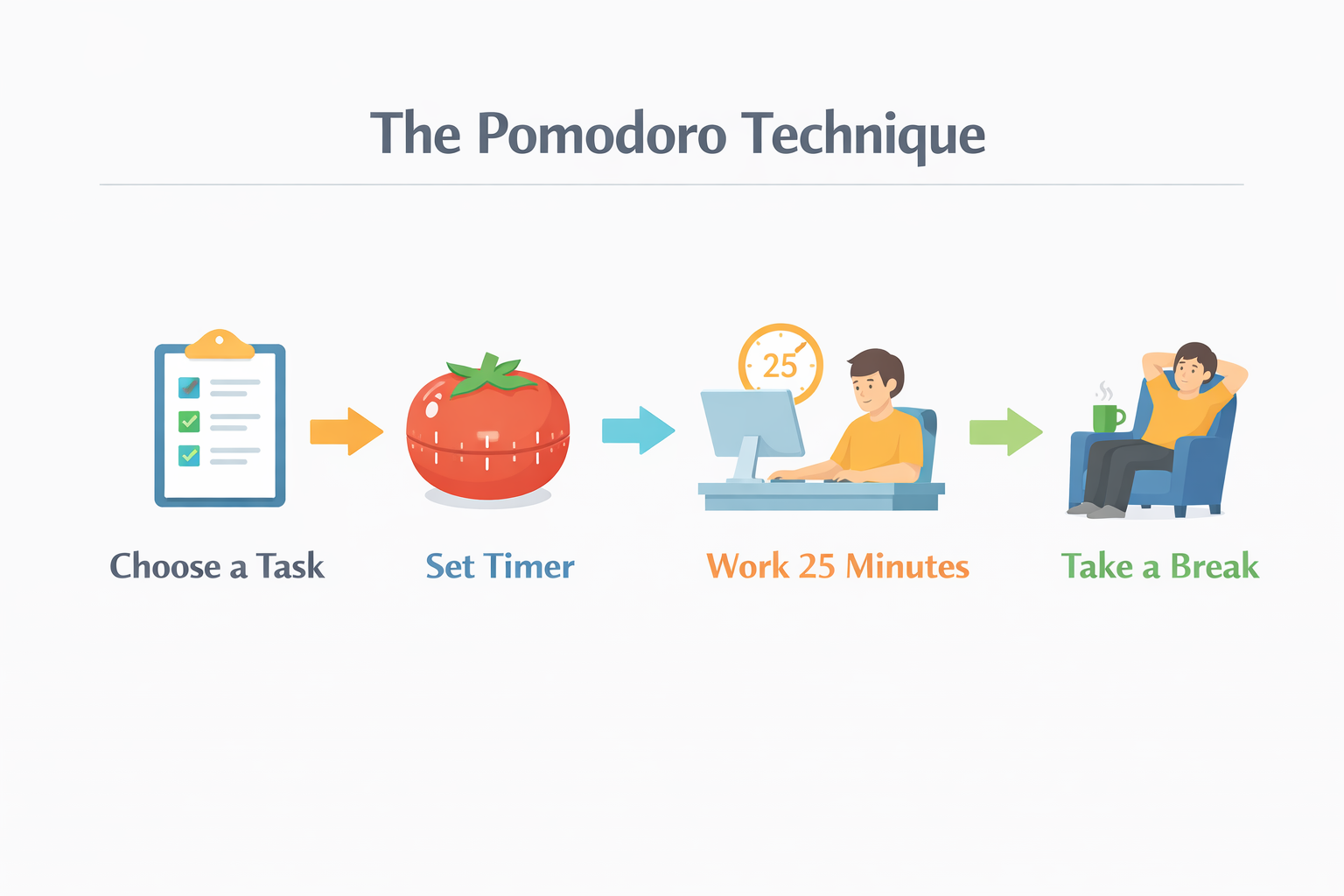
Study for 25 minutes. Break for 5 minutes. During the break, do jumping jacks or stretch. Remind your brain that you are alive!
Smart Snacking
Avoid high-carb lunches. They cause the “3 PM slump.”
Eat: Greek yogurt, nuts, berries, and eggs.
Drink: Half a gallon of water daily. Even mild dehydration kills focus.
[Alt-text: A photo of a healthy study snack plate with almonds, an apple, and a large glass of water next to a textbook.]
6. The Science of Strategic Rest
Sometimes, the best thing to do is sleep. But you must do it right.
The 20-Minute Power Nap
A short nap between 1 PM and 4 PM can repair “stressed neurons.” It can even prevent your brain from aging.
Napping vs. Cramming
Research compared three groups of students:
Group A (Cramming): Remembered a lot at first, but forgot everything a week later.
Group B (Napping): Remembered a lot at first AND remembered it a week later.
The Lesson: Napping helps “glue” memories into your brain.
7. The KPS Model: A Better Way to Learn
At Khaitan Public School, we follow the National Curriculum Framework (NCF). We make learning real and active.
Bagless Weeks: We use art, role-plays, and debates. This keeps students excited, not sleepy.
The Karuna Program: We provide special spaces for diverse learners (ADHD/Autism) to learn at their own pace.
KPEP Physical Ed: We believe physical fitness is part of academic success. A strong body supports a strong mind.
Final Checklist: Your “Wake-Up” Plan
If you want to know what can I do right now, follow this:
Audit Your Space: Get off the bed. Sit in a chair.
Turn on the Lights: Use bright, cool lights.
Active Recall: Stop rereading. Start quizzing yourself.
Check Your Fuel: Drink water. Skip the sugar.
Manage the Pressure: Remember, you are more than your grades.
The Cost of No Action: If you keep fighting sleep, you will burn out. You will hate learning.
The Reward: If you follow this science, you will find the “joy of discovery.” You will soar high—morally, socially, and spiritually.