


Is It Possible to Study for 12 Hours a Day?
The idea of studying for 12 hours a day often sounds daunting, even impossible, to many. However, it’s not only achievable but has been successfully done by individuals with ambitious academic or professional goals. The key lies in understanding that “12 hours of studying” doesn’t mean 12 continuous hours of nose-to-the-book focus. Instead, it emphasizes effective, focused learning interspersed with crucial breaks and self-care.
How to Study All Day: Strategies for Sustained Focus
To successfully maintain a demanding 12-hour study schedule without burning out, you’ll need to implement smart strategies across several areas:
Strategic Time Management & Cognitive Optimization
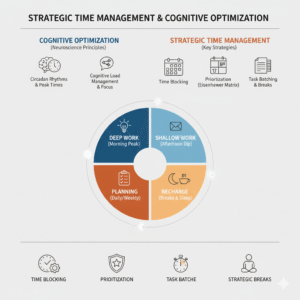
This is the backbone of intensive study. You’re essentially training your brain to work efficiently for longer periods.
Structured Schedule: Create a detailed, yet flexible, daily schedule. This should include not just study blocks but also dedicated time for breaks, meals, exercise, and sleep. Prioritize your most challenging subjects during your peak mental freshness (e.g., mornings).
Pomodoro Technique: This popular method breaks down study time into focused 25-minute intervals, followed by 5-minute breaks. After a few cycles, take a longer break of 15-20 minutes. This helps maintain focus and prevent mental fatigue.
Active Learning: Move beyond passive reading. Engage actively with the material through:
Self-testing: Quiz yourself regularly.
Feynman Technique: Explain concepts in simple terms as if teaching someone else.
Writing while learning: Summarize, take notes, or create outlines.
Practice questions: Apply your knowledge.
Diagrams and flowcharts: Visualize complex information.
Explaining aloud: Verbalize what you’re learning.
These methods might feel more demanding initially, but they significantly improve retention.
Mix Subjects: To combat boredom and fatigue, switch between different subjects or topics every 45 to 90 minutes, or whenever your concentration starts to dip.
Prioritize Topics: Tackle your most difficult or high-priority material when your brain is sharpest (e.g., early morning). Save easier topics for times when your energy is lower.
Understand Your Circadian Rhythm: Most people have peak alertness mid-morning (9 AM to 12 PM), ideal for logical tasks. Early mornings (5 AM to 8 AM) are good for memorization. A “second wind” might hit in the late afternoon (4 PM to 6 PM) for interactive learning. Evenings (7 PM to 9 PM) are often best for reviewing. Align your study tasks with your natural energy flow.
Distributed Practice: Instead of cramming, space out your study sessions for the same material. Frequent, short practice sessions throughout the day are more effective for long-term memory.
The Non-Negotiables: Breaks, Rest, and Quality Sleep
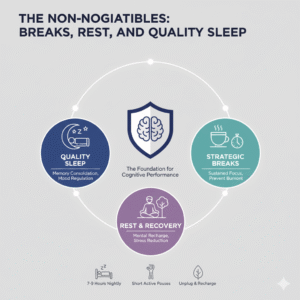
These aren’t luxuries; they’re essential for sustained cognitive function and preventing burnout.
Short Breaks: Take 5-10 minute breaks after every 40-45 minutes of intense study.
Longer Breaks: After a few short study cycles (e.g., a 2-hour Pomodoro session), take a longer break of 15-20 minutes.
Power Naps: A 30-40 minute nap in the afternoon can significantly restore energy and focus. Set an alarm to avoid oversleeping.
Productive Break Activities: During breaks, engage in activities that genuinely refresh your mind without being overly stimulating.
Recommended: Walking, stretching, deep breathing, meditation, listening to soothing music, tidying your workspace, phoning a friend, preparing a healthy snack, daydreaming, laughing, creative expression.
Avoid: Prolonged social media scrolling, watching TV, or video gaming, as these can make it harder to return to focused study.
Quality Sleep: Aim for 7-8 hours of quality sleep nightly. Sleep is crucial for memory consolidation and preventing lethargy, stress, and anxiety.
Here’s a quick guide to study-break ratios:
| Study Duration | Break Duration | Technique/Context | Recommended Activities | Activities to Avoid |
| 25 minutes | 5 minutes | Pomodoro Technique | Stretch, doodle, briefly check email | Social media, TV, overly stimulating activities |
| 40-45 minutes | 5-10 minutes | General Short Breaks | Do something fun and productive to re-establish concentration | Distracting activities |
| 1-2 hours | 10-15 minutes | Longer Session Breaks | Walk, re-hydrate, do something unrelated to studying | Prolonged screen time |
| 2-2.5 hours | 15-20 minutes | Extended Pomodoro/Max Session Breaks | Walk, grab a snack, stretch, meditate, deep breathing, listen to soothing music, tidy workspace, phone a friend, cook healthy meal, laugh, creative expression, power nap (30-40 min) | Any activity that makes it hard to return to studying |
Fueling Your Body and Mind: Holistic Well-being
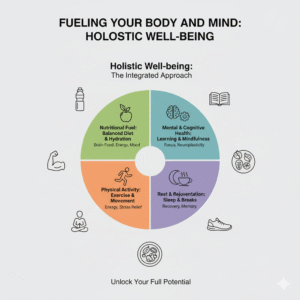
Your body and mind are interconnected. Neglecting one will impact the others.
Nutrition:
Consume: Healthy snacks like yogurt, oatmeal, fruit, nuts, granola bars, dark chocolate, and cheese. These provide sustained energy.
Avoid: Excessive junk food, sweets, and high caffeine/sugar options, which lead to energy crashes.
Stay Hydrated: Drink plenty of water throughout the day. Dehydration causes fatigue and forgetfulness.
Physical Activity: Dedicate at least 30 minutes daily to exercise (walking, yoga, HIIT, etc.). Even short walks during breaks boost focus.
Stress Management & Social Connection:
Manage Stress: Practice mindfulness, meditation, deep breathing exercises, and progressive muscle relaxation.
Stay Connected: Avoid isolation. Maintain relationships with friends and family. Social support is a crucial buffer against burnout. Limit social outings to refreshing breaks (e.g., 1 hour instead of 5-6 hours).
Optimized Study Environment:
Dedicated Space: Use a comfortable, distraction-free, well-lit, and organized study area.
Eliminate Distractions: Turn off phones and TVs. Use apps to block distracting websites.
Avoid Studying in Bed: This can blur the lines between rest and work.
Natural Light: Choose a study area with ample natural light whenever possible.
Understanding Academic Burnout: Signs, Symptoms, and Impact
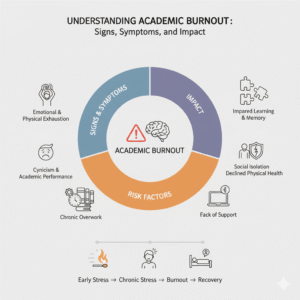
Pushing too hard without proper care can lead to academic burnout. This is a prolonged state of stress and negativity towards academic tasks that depletes energy and erodes motivation.
Signs and Symptoms of Academic Burnout:
| Category | Specific Symptoms |
| Emotional/Psychological | Feeling overwhelmed, constantly stressed, emotionally drained, cynical, apathetic, irritable, loss of inspiration or creativity, reduced self-efficacy, feelings of isolation, detachment from studies and peers, profound loss of motivation. |
| Physical | Chronic fatigue, persistent headaches, sleep disturbances (insomnia), increased bodily pain and tension (sore muscles, jaw tension), heightened susceptibility to illness. |
| Behavioral/Academic | Decline in academic performance, difficulties in concentration, impaired information retention, inability to meet deadlines effectively, resorting to unhealthy coping mechanisms (overeating, prolonged wakefulness), forced study sessions due to increased distraction, guilt leading to further isolation. |
Burnout is a self-reinforcing cycle: increased distraction leads to forced longer study periods, which then causes more depletion and distraction, creating a loop of guilt, isolation, and further forced study. Proactive strategies like structured breaks and self-care are essential to prevent this cycle.
Personalization and Long-Term Sustainability
There’s no “one-size-fits-all” approach to intensive study.
Self-Awareness: Monitor your energy levels and experiment with different methods to find what works for you. Recognize your personal limits and take breaks before you’re completely exhausted.
Gradual Approach: Don’t jump directly into a 12-hour schedule. Gradually increase your study hours and build consistency over time. Think of it as building endurance.
Intrinsic Drive: Cultivate a deep, personal reason for your study goals. This intrinsic “drive” is more sustainable than fleeting “motivation.”
Realistic Goals & Celebration: Set achievable goals and celebrate small accomplishments to maintain a positive mindset.
Marathon, Not a Sprint: View intensive study as a marathon. Prioritize long-term sustainability and resilience over immediate, unsustainable output. Integrate recovery and adaptation into your plan.
Mental Framework: Your internal mindset—intrinsic motivation, discipline, and resilience—is crucial. External strategies are less effective without a strong internal “why.”
Read here: study hacks for students from top achievers
Conclusion: Studying Smarter, Not Just Longer
Studying for 12 hours a day is absolutely possible and can be highly effective for achieving ambitious goals. However, its success hinges on a strategic, holistic, and personalized approach.
According to best cbse school in Ghaziabad teachers It’s about optimizing the quality of your study time, integrating non-negotiable breaks and self-care, and building resilience. By embracing these evidence-based strategies, you can transform an intense commitment into a sustainable and productive endeavor that leads to academic success without sacrificing your well-being.